


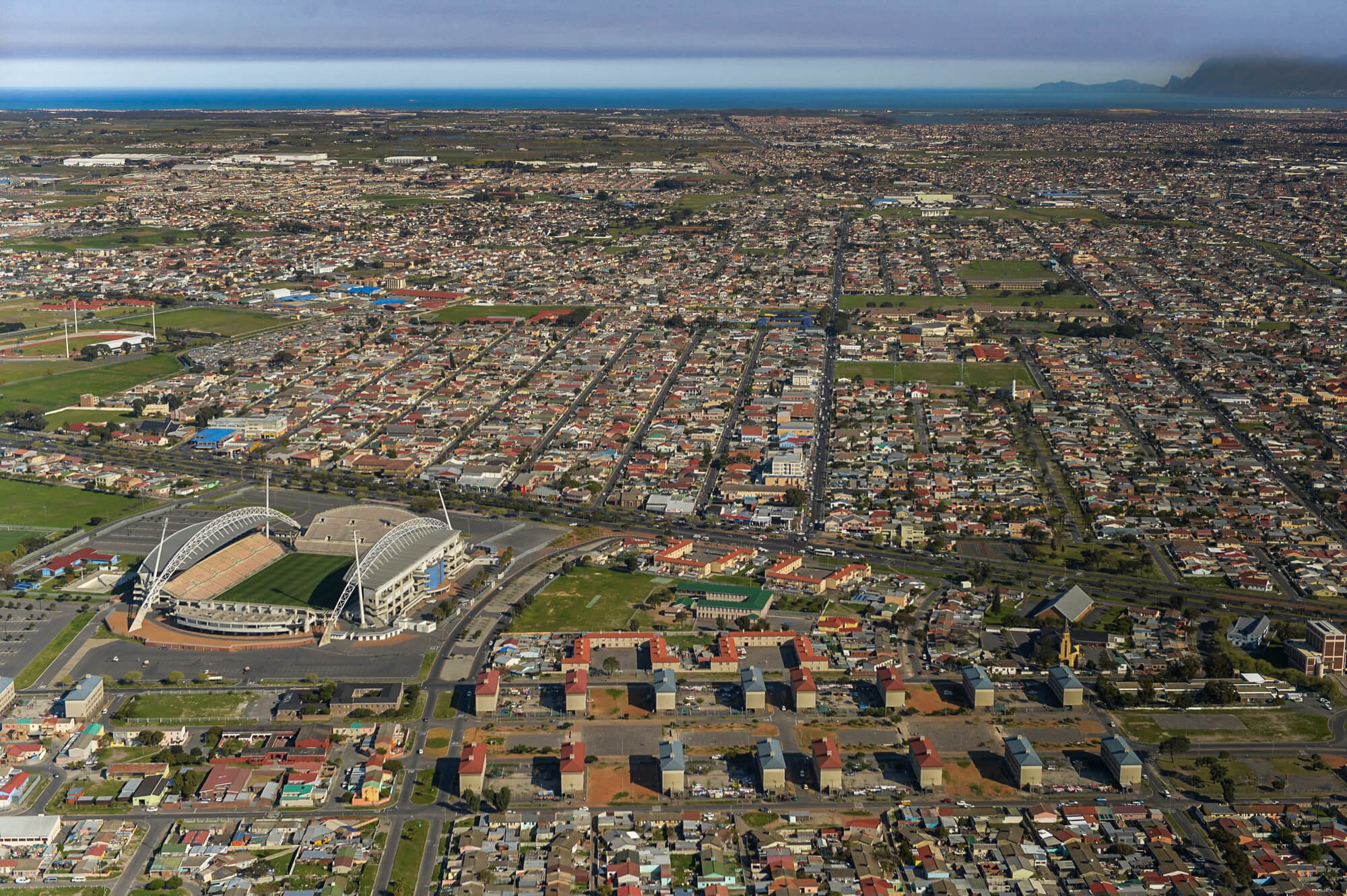
If you want to live in Cape Town, it helps to understand how the city works in practice. Cape Town is often discussed through its natural setting, neighbourhood appeal, and quality of life. Those things matter. But daily life here is shaped just as much by suburb choice, traffic, schools, housing pressure, public space, safety, and the wider structure of the city. Experiences vary significantly across the metro, which is why broad impressions are rarely enough on their own.
To understand what it means to live in Cape Town, it is more useful to look at the factors that shape ordinary life in the city. These include where you live, how you move through the city, the kind of routine you need to support, and how differently Cape Town is experienced across different communities.
Key takeaways
- Cape Town offers very different living experiences.
- Where you live affects access, travel time, and routine.
- Neighbourhood choice is about fit, not status.
- Family life is shaped by schools and daily logistics.
- Safety is best understood in local context.
- Traffic and transport can affect quality of life.
- Housing pressure is real in high-demand areas.
- Public space and infrastructure matter.
- Cape Town suits different work and study patterns.
- The city combines strong appeal with real pressures.

Here are 10 things you need to know about living in Cape Town
1. Cape Town is not one single living experience
Cape Town does not offer one fixed version of city life. Cape Town comprises many neighbourhoods and communities, each with its own pace, character, practical strengths, and pressures. Some areas are more urban and closely connected to work, education, and cultural activity. Others are quieter, greener, or more shaped by schools, family routine, and residential stability.
That variety is one of Cape Town’s defining features. It also means that living here cannot be reduced to one standard experience.
2. Where you live in Cape Town will shape your daily routine
In Cape Town, your suburb has a direct effect on how manageable daily life feels. It influences your commute, school runs, access to shops and healthcare, social routine, and how much time you spend moving between places. A suburb that seems ideal at first glance can feel very different once work routes, traffic, and everyday errands become part of the week.
That is why location is not only about appearance. It is about whether an area supports the way you actually need to live.
3. It helps to understand Cape Town through its broader areas
If you are new to Cape Town, the number of suburbs can feel difficult to navigate. A useful place to start is with the broader parts of the city locals often use to understand the metro.
- City Bowl — This area offers easier access to the CBD, restaurants, cultural venues, and a more urban pace. It suits people who want to be close to central Cape Town.
- Northern Suburbs — These areas often offer more space, schools, shopping centres, and family-oriented neighbourhoods. They are often chosen for practicality and convenience.
- Atlantic Seaboard — This area is known for coastal access, high housing demand, and close proximity to both the sea and the city. It is often associated with premium location-led living.
- Southern Suburbs — These neighbourhoods tend to be more established and residential, with strong schools, green spaces, and access to Cape Town’s leading universities.
- South Peninsula — This part of the city offers a slower pace in some areas, with strong access to beaches, mountains, and a less urban rhythm.
- Cape Flats — The Cape Flats form a major part of Cape Town’s social and economic fabric, with large residential communities, strong local identity, and significant variation between areas.
- Helderberg — This area offers a quieter pace, access to beaches and mountains, and more distance from central Cape Town, which can shape routine and commuting.
- West Coast — This area includes a range of family-oriented suburbs, coastal access, and, in some cases, better value than the city’s highest-demand areas.
Come visit Cape Town and explore our beautiful suburbs.
4. Cape Town has a rich history
Cape Town’s natural setting has a visible effect on everyday life. The mountain, coastline, beaches, green spaces, and outdoor access are part of how many residents experience the city week to week.
But it is important not to understand Cape Town only through scenery. It is also a city shaped by history, inequality, distance from opportunity, and the long spatial legacy of apartheid planning. Those realities still influence access, movement, and how differently the city is experienced across communities. A useful understanding of Cape Town needs to hold both parts of the picture.
5. Family life depends on routine as much as location
Cape Town is a great place to raise a family. Family life here is shaped by practical considerations — as with all major cities in South Africa. School choice is a major factor for many households. The city offers a broad range of public, private, international, tertiary, and specialist education options. But schooling is only part of the picture. Traffic, sport, healthcare, shopping, and after-school movement all influence whether daily family life feels workable.
6. Safety in Cape Town is best understood in local context
Safety is part of any honest conversation about living in Cape Town. The most useful way to think about it is in local, practical terms. How active is the area? What does movement look like during the day and evening? What security measures are in place? Does the neighbourhood suit your real routine?
Cape Town changes significantly from one area to the next. That is why broad generalisations are rarely as useful as local context.
7. Transport and traffic can shape your quality of life
How you get around Cape Town if you live here is a big factor. Commute patterns, school routes, road access, and peak-hour congestion can all have a real effect on daily life. For anyone considering a move to Cape Town, transport is one of the most practical parts of choosing where to live.
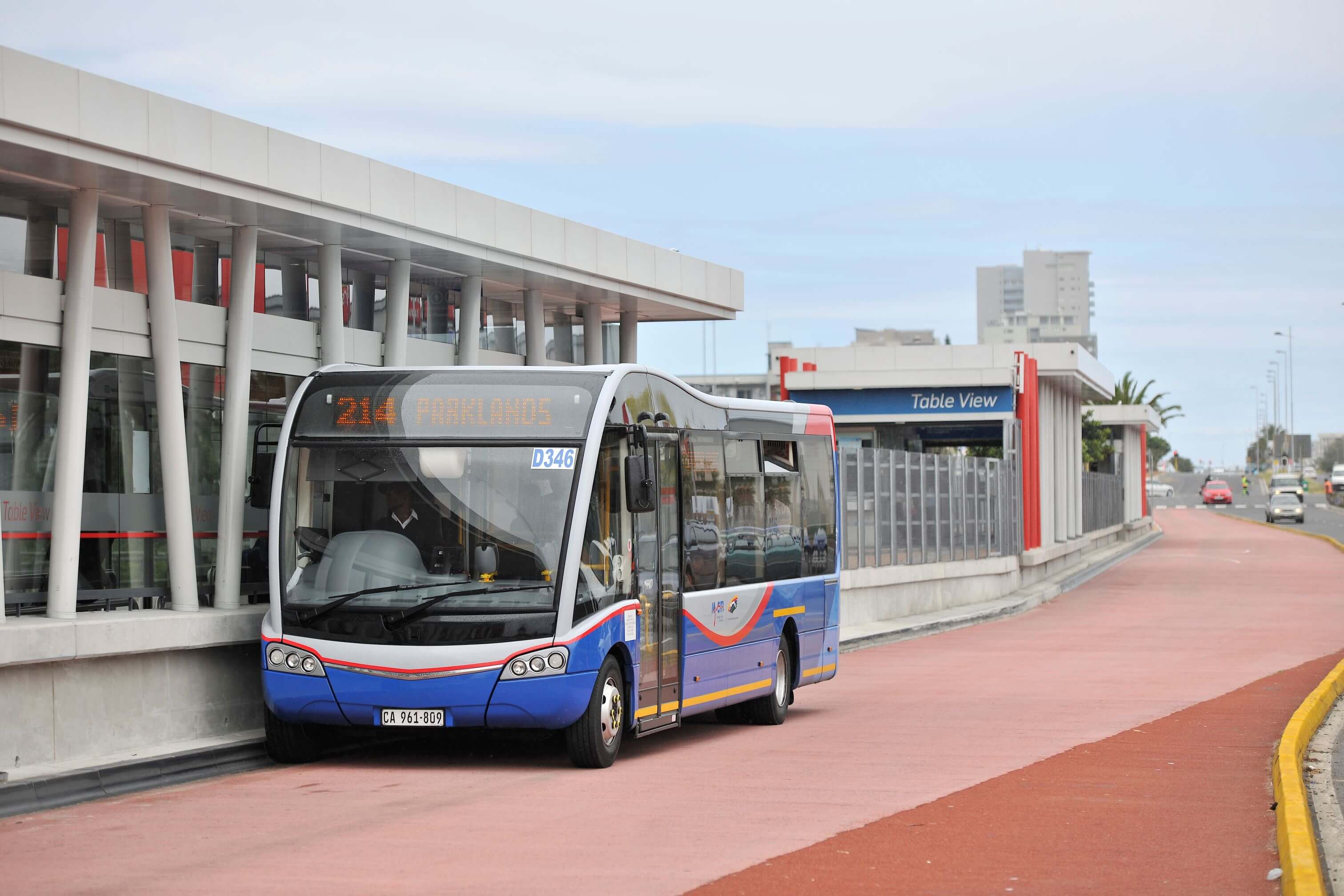
In many cases, the city is experienced less through landmarks than through movement from one part of the metro to another. Many residents rely on private cars, but public transport also remains part of the city’s daily functioning. MyCiTi serves key routes. Golden Arrow remains important across many areas. Minibus taxis are also central to how large numbers of people move through Cape Town.
8. Housing pressure is real in high-demand areas
Cape Town is often experienced as a premium city by South African standards, particularly when it comes to housing in sought-after areas. For many people, affordability is felt first through rent or property prices.
But housing cost is not the only factor that matters. Commute, convenience, schools, neighbourhood character, and access all shape what value means in practice. Housing pressure is also part of a wider city conversation around demand, inequality, and long-standing spatial divides.
9. Public space and infrastructure influence daily life
As a resident of Cape Town, your quality of life is largely shaped by the public systems and spaces people use every week. The Company’s Garden, local neighbourhood parks, sports grounds, beaches, community facilities, neighbourhood infrastructure, and environmental upkeep all affect how the city feels to live in.
These are not always the most visible parts of city life, but they matter in practice. The City understands how this influences whether spaces are usable, whether public areas are accessible and well maintained, and whether daily life feels supported by functioning civic systems.

10. Cape Town can suit different stages of life
Cape Town appeals to people at different life stages for different reasons. Some people come here to study. Some come here to retire. Others come for work, family life, remote work, or a neighbourhood that better suits the kind of routine they want.
The city’s universities, neighbourhood variety, public amenities, and sense of place all contribute to that appeal. At the same time, no single version of Cape Town applies equally to everyone. The city is experienced differently depending on geography, income, access, and support structures.
What should you understand before living in Cape Town?
You should understand that Cape Town is not one single experience. It is a city of neighbourhood variety, natural access, education, public space, and strong identity. It is also shaped by traffic, housing pressure, inequality, distance, and the practical demands of urban life. The clearest understanding usually comes from looking beyond broad impressions and focusing on the factors that shape everyday routine.
Continue exploring life in Cape Town
- Show me Cape Town’s outdoor activities.
- Show me Cape Town’s museums and theatres.
- Show me Cape Town’s digital connectivities.
FAQs
Is Cape Town a good place to live?
For many people, yes. Cape Town offers neighbourhood variety, natural access, strong educational institutions, and a mix of urban life and public amenity. Your experience depends heavily on where you live and what kind of routine you need to support.
What should you know before moving to Cape Town?
You should know that suburb choice matters, traffic can affect daily life, housing pressure is real in high-demand areas, and safety is best understood area by area.
Is Cape Town expensive to live in?
It can be, especially in sought-after parts of the metro. Housing is often where cost pressure is felt first, but transport, convenience, schools, and neighbourhood fit also shape affordability.
Is Cape Town good for families?
Cape Town can work well for families, particularly where school access, healthcare, outdoor space, and daily routine align in a practical way.
Do you need a car in Cape Town?
In many cases, a car gives you more flexibility, especially if work, school, or family life takes you across multiple parts of the city. Your transport needs will depend strongly on where you live and where you need to go.
Are all areas of Cape Town the same?
No. Cape Town is made up of many different neighbourhoods and communities, each with its own pace, strengths, and areas of improvement.
Is Cape Town a good city for remote work?
Cape Town does attract many remote and hybrid professionals. This is because of its amenities, neighbourhood variety, and internationally connected feel. But that experience still depends on location, infrastructure, and routine.
Why do people choose to live in Cape Town?
People choose Cape Town for different reasons. This includes study, work, family life, neighbourhood fit, natural setting, and a strong sense of place.


